Bringing Home Soulful Wisdom and Finding the Gift in Every Closed
Embark on a journey of reflection and resilience with our latest newsletter content. Unpack the hidden treasures of travel and embrace the power of redirection in shaping our destinies. #Travel #Redirection #Resilience
The Power of Travel: Bringing Home What Doesn't Fit | Emotional Journey
There is something no one really talks about when traveling far away — especially somewhere that quietly settles into your heart.
Coming home is sometimes harder than leaving.
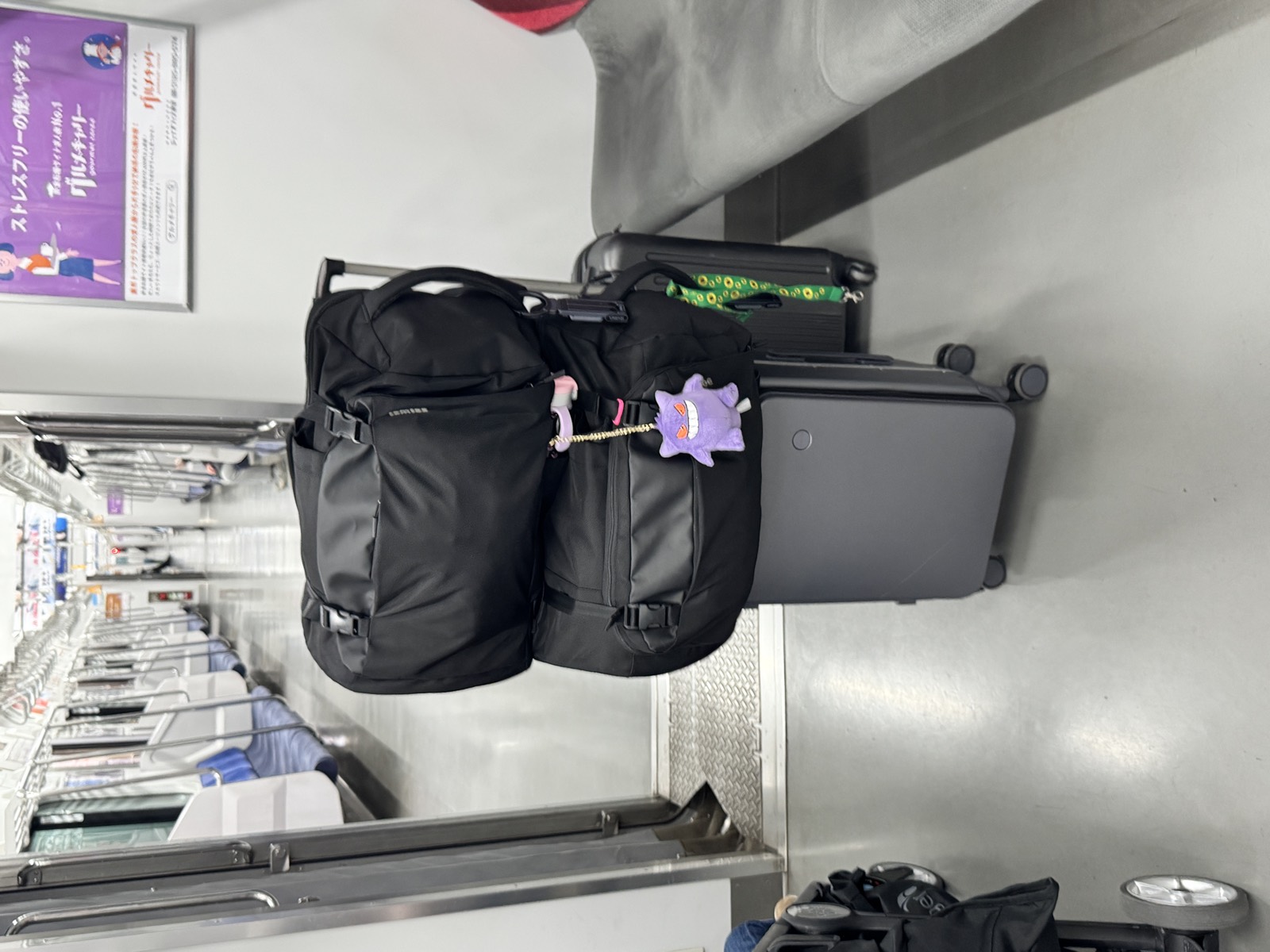
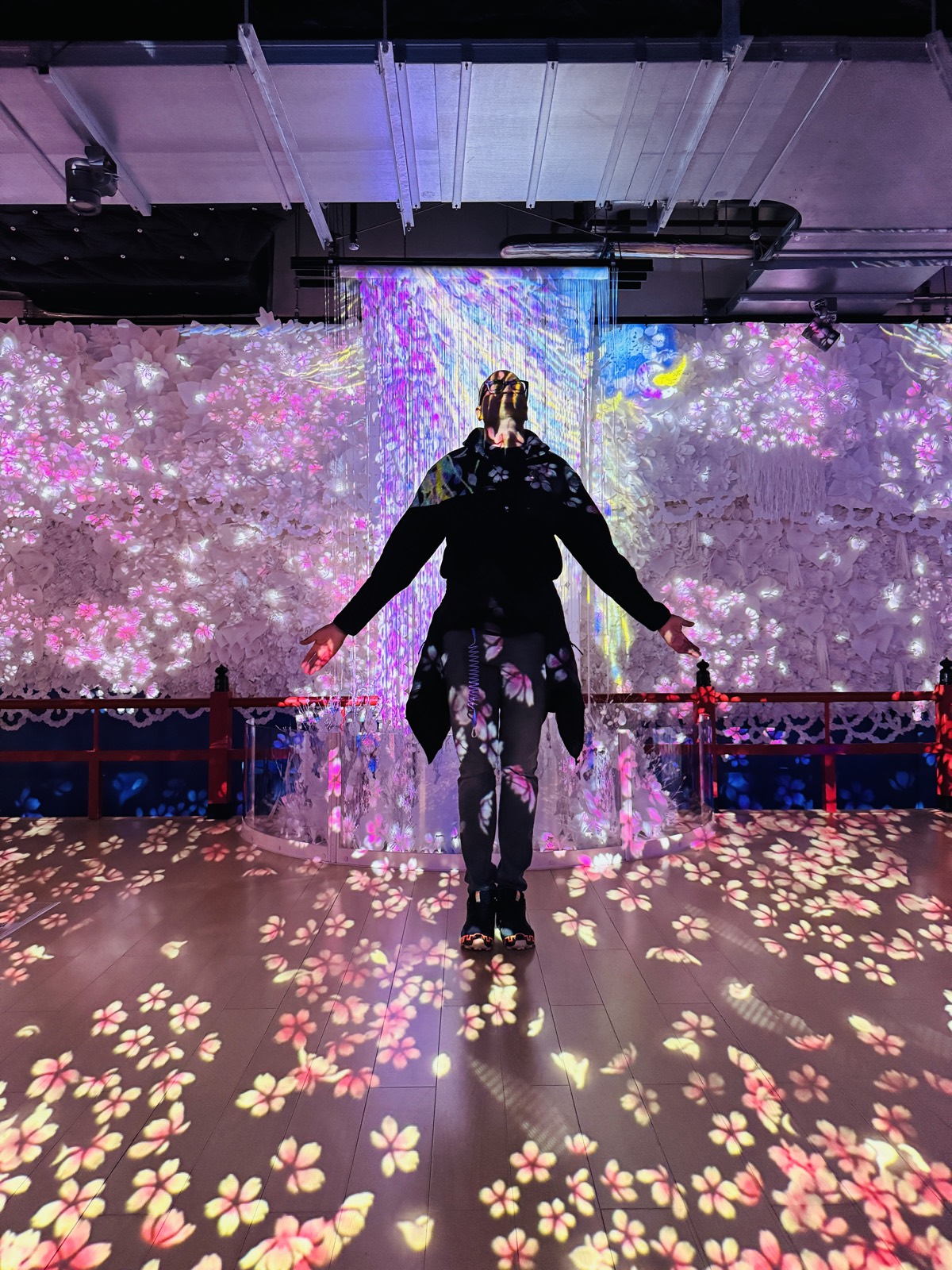
After weeks in Japan and Thailand, after airports, time zones, convenience stores that somehow sell perfect meals at any hour, ocean mornings, and cities that never quite lose their politeness… we came back home. Suitcases full. Laundry overflowing. Dogs dramatically convinced we had abandoned them forever.
Life resumed almost immediately, as it always does.
Emails waiting. Calendars already full. Groceries to buy. Tiny socks to match. Snow boots instead of sandals.
And yet, part of me is still elsewhere.
Travel changes your rhythm in subtle ways. In Japan, everything moved with intention. People stood where they were supposed to stand. Trains arrived exactly when promised. Even silence felt organized. There was respect woven into everyday life — respect for space, for others, for shared environments.
You start adapting without realizing it. You slow down. You observe more. You breathe differently.
Then you come home — and suddenly the noise feels louder, impatience more visible, schedules tighter. Nothing is wrong, of course. Home is still home. But you have shifted slightly.
And that shift travels back with you.
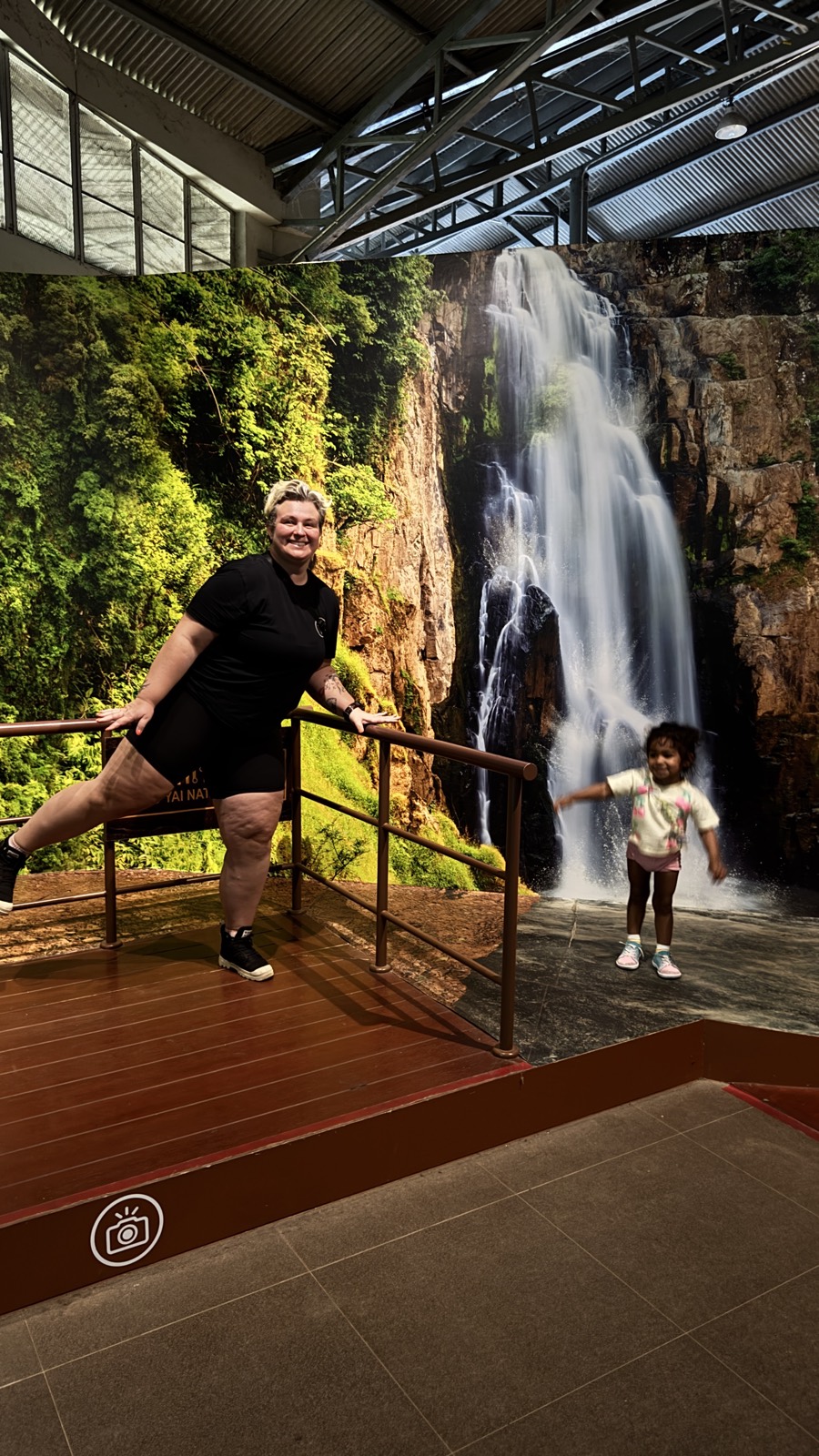
Alyce, meanwhile, has fully integrated her international lifestyle and now believes airplanes, hotels, and new breakfasts are simply a normal part of existence. She returned home speaking in enthusiastic toddler syllables, hugging Boujee and Dapper as if reuniting a long-lost expedition team, and immediately resuming command of the household.
Children adapt faster than adults. They live entirely in the present — whether that present is Tokyo, Hua Hin, or our living room scattered with toys.
Damian and I noticed something else too: travel strips life down to essentials. A stroller, snacks, comfortable shoes, knowing where the nearest coffee is. Decisions become simple. Days revolve around discovery instead of obligation.
Back home, complexity quietly returns.
But so does gratitude.
Because travel doesn’t replace home — it reframes it. It reminds you what you love, what you tolerate, and sometimes what you may want to do differently moving forward. It shows you how big the world is, while making your own little corner feel more intentional.
We brought back souvenirs, yes. Some snacks. Too many photos. A Baymax bag that somehow collected an increasing number of plushies throughout one very enthusiastic DisneySea day.
But the real things we brought back don’t fit anywhere in our luggage.
A calmer pace we are trying to protect.
A reminder that kindness in public spaces matters.
The realization that experiences will always outshine possessions.
And the quiet understanding that home is not just where you live — it’s something you continuously rebuild after every journey.
For now, we are here again. Back to routines, daycare mornings, work meetings, snowy sidewalks, and familiar comforts.
Suitcases unpacked.
Hearts still traveling a little.
And already wondering where the next adventure will take us.
The Gift of the Closed Door - Wi Likkle But Wi Tallawah
Hello Friends,
As we close out February, we mark the end of Black History Month. Usually, this is a time for looking backward at where we’ve been. But today, I want to look at history as a mirror for where we are going—and specifically, how "rejection" is often just a redirection to a bigger destiny.
The Veteran Who Wasn't "Ready"
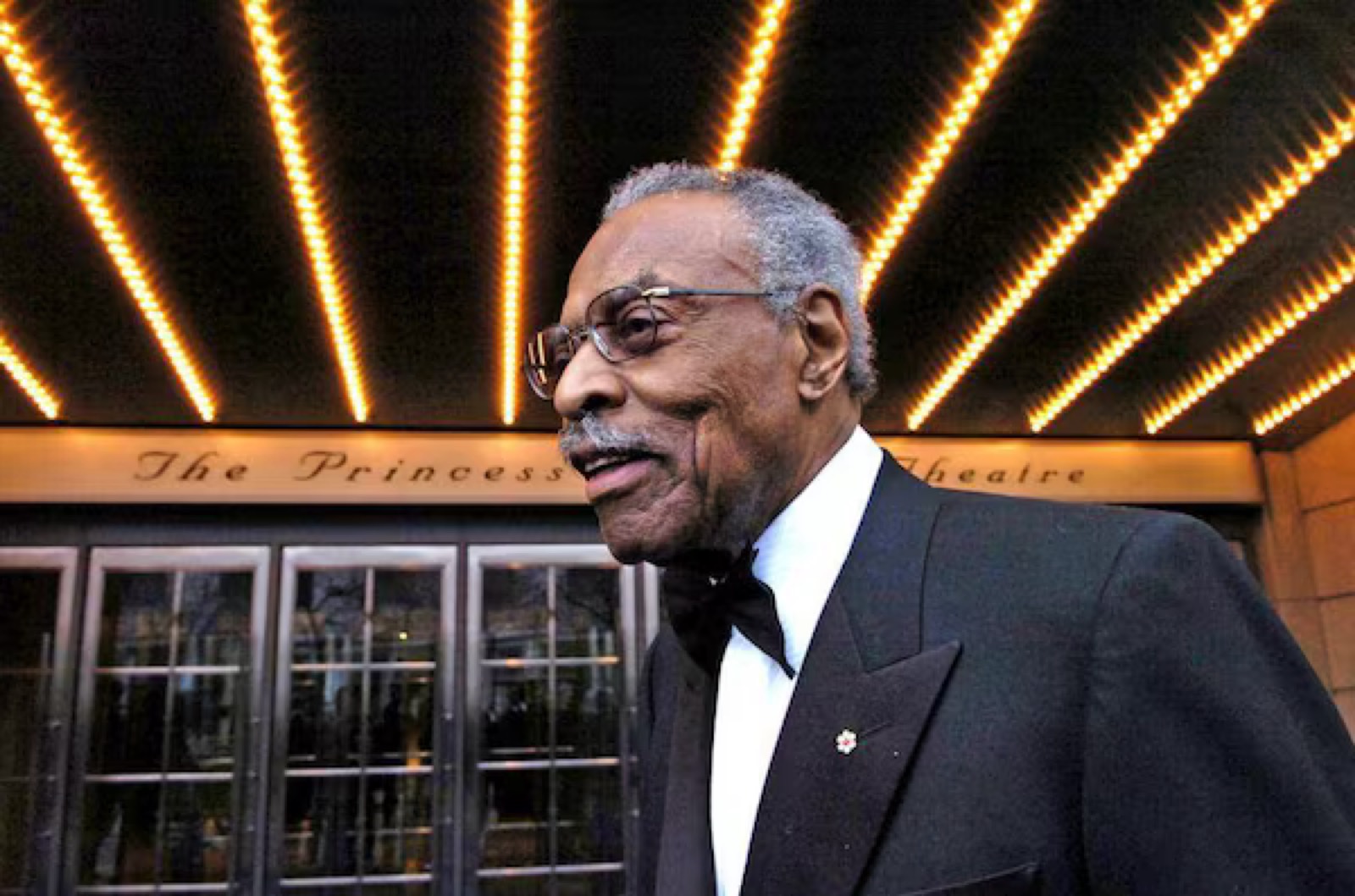
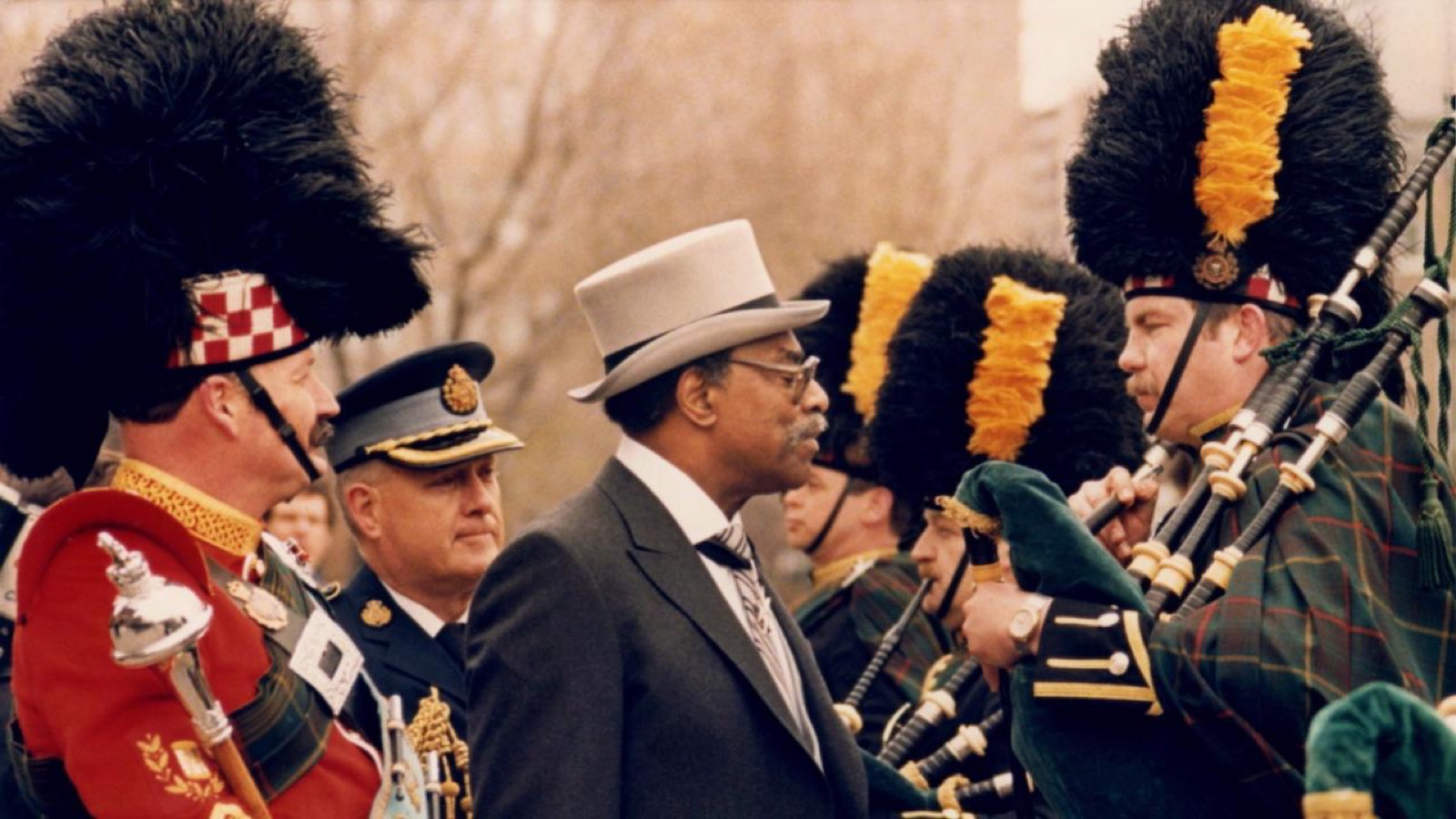
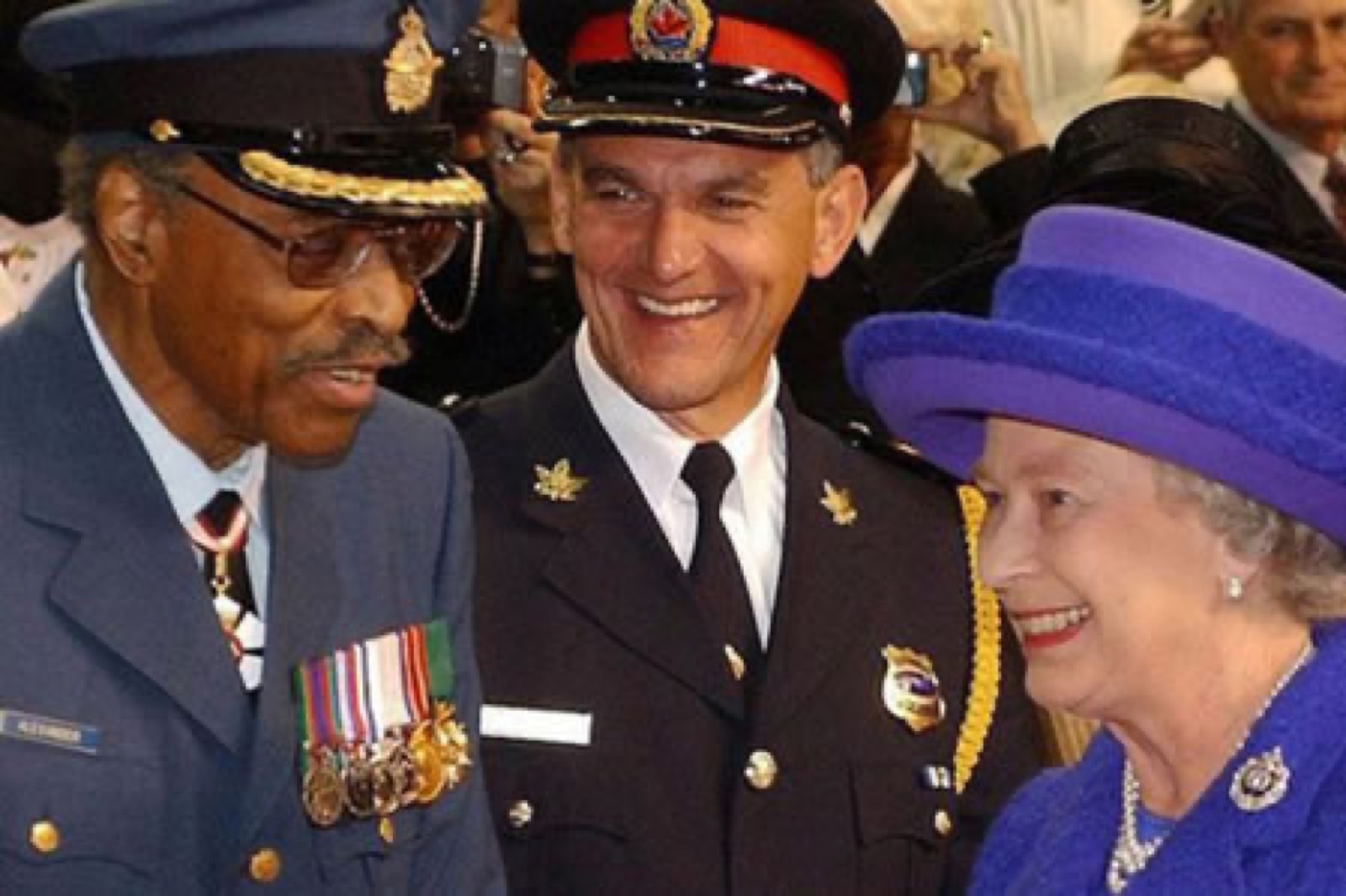
Consider the life of Hamilton’s own Lincoln Alexander. During WWII, he was a machinist in a local factory building anti-aircraft guns. Later, he served in the Royal Canadian Air Force as a wireless operator. Because of his eyesight, he wasn’t eligible to be a pilot, but he served the mission with distinction on the ground.
When he returned home to Hamilton in 1949 with a degree from McMaster, he walked into Stelco to apply for a sales job. Despite his service and his education, he was told they "weren't ready" for a Black man in sales.
Think about the irony: He was good enough to build the weapons and manage the communications to defend democracy, but he wasn't "ready" to sell the steel.
The Jamaican Drive: "Wi Likkle But Wi Tallawah"
Lincoln was the son of a Jamaican mother, and as a teenager, he lived in Harlem. There, he saw Black doctors and lawyers—roles that didn't exist in the "pond" of 1940s Canada. That experience, he said, "stiffened my resolve to be more than a porter." As a Jamaican myself, this hits home. My own mom always told me that I "couldn't satisfy." No matter the win, I was always looking for the next level. I used to wonder if that was a flaw, but now I realize it’s that Tallawah spirit.
In Patois, we say, "Wi likkle but wi tallawah"—we are small, but we are mighty and fearless. It’s the refusal to let a small pond dictate your worth. I see it in my own journey—if I had been "satisfied" staying in the culinary world instead of pushing into global technology management and infrastructure, I would have missed the ocean I was meant to swim in.
If Lincoln had been "satisfied" with a "No" at Stelco, Canada would have missed its true leader.
The Tree Seeking Light
Think of a tree planted in the shadow of a giant building. It doesn't stop growing; it bends, twists, and grows stronger roots to reach the sunlight. The "shadows" Lincoln faced—eyesight that kept him from the cockpit, racism that kept him off the sales floor—didn't kill his potential. They forced him to find the water where he was truly meant to swim.
Because that door at Stelco stayed shut, he was redirected toward the history books:
1. ⚖️ 1953: The Courtroom Trailblazer. After being told no by the steel industry, he went to Osgoode Hall and became the first Black person to practice law in Hamilton. He didn't just join a firm; he built one, proving his excellence in a courtroom that wasn't used to seeing him there.2. 🇨🇦 1968: The First Black Member of Parliament. Representing Hamilton West, he shattered a century-old glass ceiling. He didn't just hold the seat; he became a voice for accountability and labor rights that could not be ignored.3. 👔 1979: Our first Black Federal Cabinet Minister.4. 👑 1985: The 24th Lieutenant Governor of Ontario.
The Takeaway
Negative life experiences and career pivots are the friction we need to bloom. As we move into March, look at the "closed doors" or the "wrong ponds" in your own life. If you feel like you’re growing in the shade, don’t let the friction break you. Don’t stay in the shade, find a way into the light. It might just be the universe making sure you don’t settle for a "sales job" when you were born to lead.
Racism tried to stop Lincoln Alexander. Instead, it launched him.
Remember: Racism can’t stop you. Only you can stop you.
Join the Conversation
As we move into a new month, I want to hear from you.
What is one "closed door" in your past that ended up being the best thing that ever happened to you? Reply to this email or leave a comment below. Let’s encourage each other to keep that Tallawah spirit alive.
Until next time,
Damian